Extra Income From Home: My First Week Filming Short Product Videos for Brands
A diary of my first week with a simple method for a second income from home: filming short product videos on your phone for brands that post paid briefs. No big course theory, no large following needed, just a phone, a quiet corner and some patience.
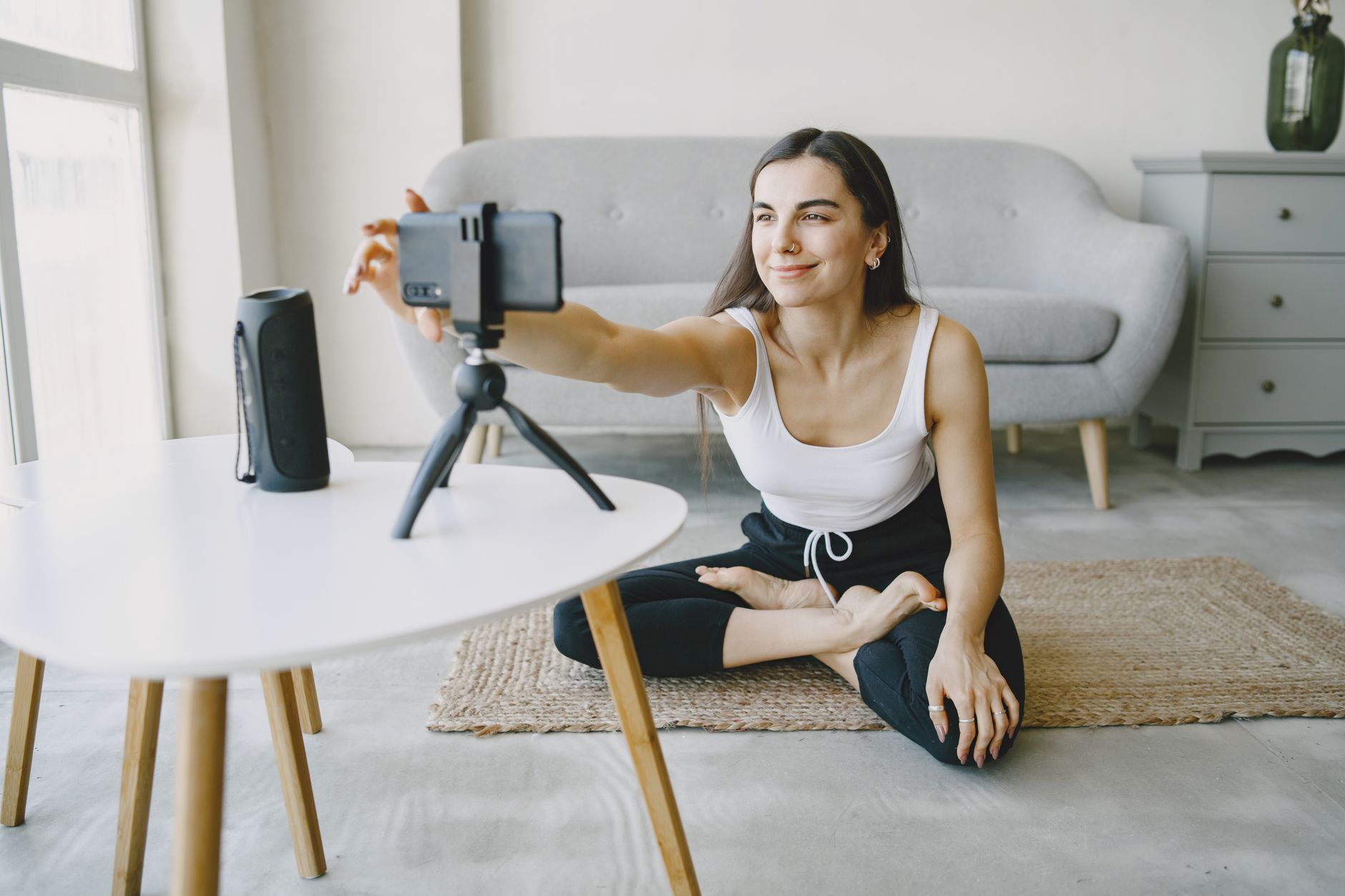
Open any social feed and look at the ads that make you stop scrolling. Plenty of them are not glossy at all. It’s somebody’s kitchen counter, somebody’s phone, somebody saying “I didn’t expect to like this.”
Brands call that style UGC, short for user-generated content, and they pay everyday people to make it. Platforms and agencies sit in the middle and match creators with paid briefs. It struck me as a new way to earn extra income from home, so I spent a week finding out how it works from the creator’s side, and I kept notes.
This is a diary of the process, not a report of a payout, and I won’t be quoting any earnings. Here is what it covers:
- what the work actually is, and what you do day to day
- how the method works, step by step
- what you need to get started, and who it suits
- the slow, fiddly and uncertain parts that never make it into an ad
Ready? Let’s start with the idea.
In this article
1. Why filming from home is a simple method for extra income
The work is smaller than it sounds. A brand wants a short video of a real person using its product: unboxing it, showing it working, giving a first honest reaction. You film it on your phone at home, upload it for the brand to review, and the project is paid once it’s approved.
That’s the whole simple method, and it’s part of a wider income trend. Brands get content that feels like a recommendation rather than a studio ad, and creators get flexible, paid project work they can fit around the rest of the day.
You don’t need a large following. What a brand looks for is whether your videos feel natural and suit the product. If you’re comfortable talking to a phone camera, or happy to film just your hands and the product, you already have most of the raw material.

It all happens from home: no commute, no fixed hours. Work arrives as individual briefs and you choose which ones to take on. It is freelance project work through the platform, paid per approved project and not a salaried job, which is exactly why I think of it as a side income rather than a career change.
2. How the new income method works, step by step
Strip away the jargon and the method has four stages. This is the plain version:
| Step | What you do | Worth having ready |
|---|---|---|
| 1 | Create a creator account and get it verified | A short bio and a few clips that show how you film |
| 2 | Apply for open briefs that suit your niche | A clear idea of the products and styles you’re comfortable with |
| 3 | Film the content the way the brief describes | A phone, decent light and a quiet corner at home |
| 4 | Upload it, make any edits asked for, and wait for the brand’s approval | Payout details saved in your account |
Each stage has a catch, and I’ll get to those. The one to hold on to now is that pay is per project and follows approval. Nothing arrives just for signing up.

3. What the provider publishes about joining and pay
I wanted facts from the platform itself rather than guesswork, so I read what it publishes. Not Nice describes itself as a platform where creators and influencers find paid collaborations with brands, and says there is no subscription and there are no fixed costs for creators.
Creators apply to open campaigns. According to Not Nice, the brand states a budget and the creator can accept it or propose their own price. Not Nice says the payout follows once the brand has accepted the content, and payout details must be stored in the account first.
In practice that makes pay a per-campaign question rather than a fixed rate, which is why you won’t find a single figure in this article.
4. My first week: what looked easy and what took patience
These are my notes, lightly tidied. I’m one writer with one phone, so treat this as a look over a shoulder rather than a template.
Day one: the account and the profile
I signed up, went through the verification step, and then spent most of the evening on the creator profile, which turned out to be the part that needs thought. The platform wants a bio and examples that show the kind of content you make. I wrote three sentences about myself, cut them to two, and chose a handful of my own short phone clips to show how I film.
Day two: a practice clip
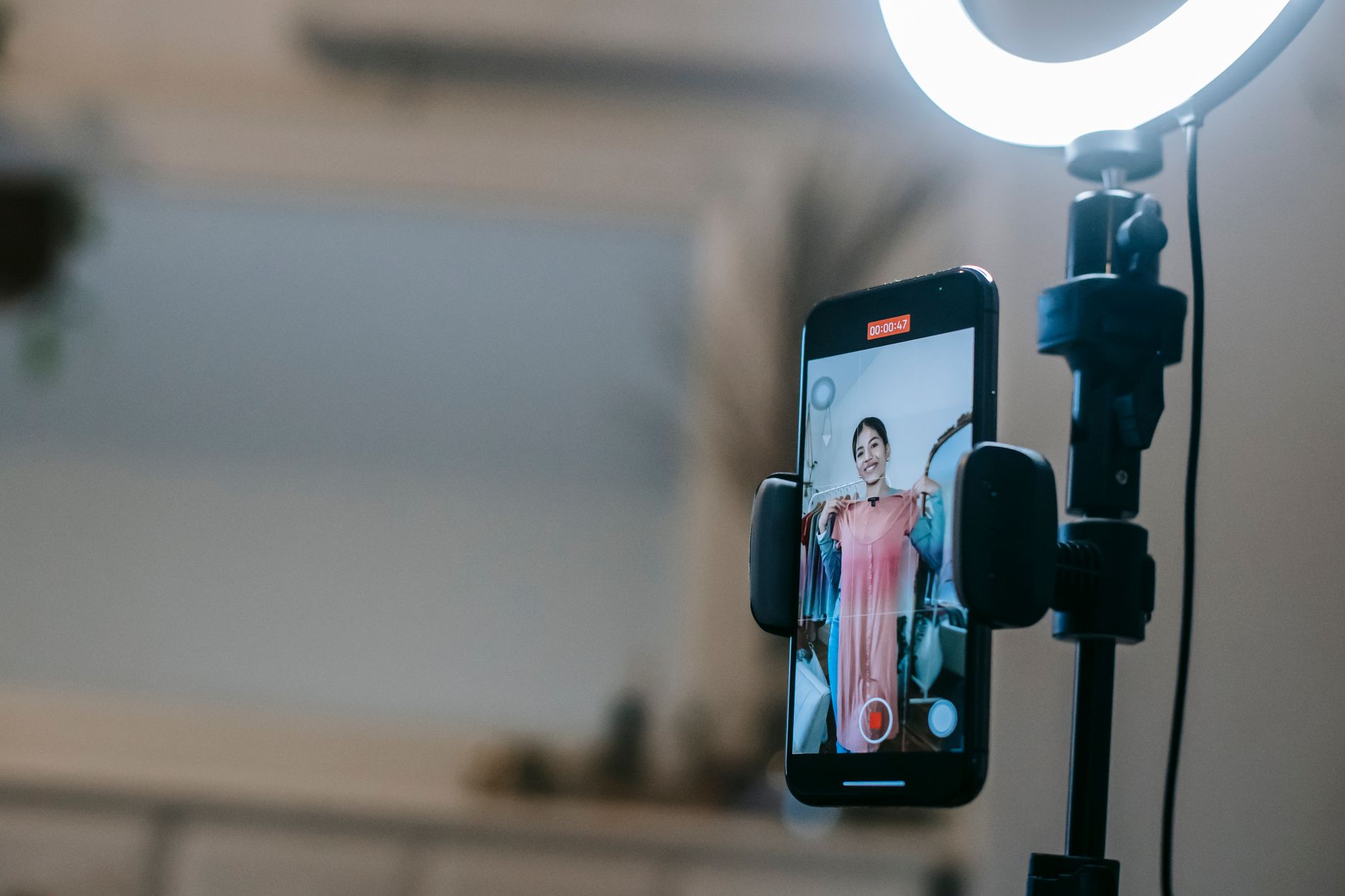
I propped a phone on a small tripod on the kitchen counter and filmed a practice product video. The first take was a mess: window glare, a rushed voice and a sink full of dishes behind me. By the fourth it was fine. Talking to a phone camera felt less strange than I expected. Keeping the product, rather than me, at the centre of the frame was the real work.

The first take is for you. The third one is usually good enough for the brand.
From my notes, day two
Day three: editing is the slow part
Most briefs need basic editing, meaning a few cuts and subtitles, and some come back for a revision before the brand approves them. I set aside fifteen minutes to trim my practice clip and it took closer to an hour. It gets quicker, but it never takes zero time.
Day four: waiting
Every application is reviewed, and busy categories can be waitlisted, so I put mine in and went back to practising. Whether this turns into regular extra income depends on briefs opening up for your niche, and nobody can promise that. I would rather say so than pretend it’s instant.
Wondering whether you would qualify?
You will be redirected to Not Nice's own website, an independent company that is not affiliated with katrinabalestino.com.
5. Who this side income suits, and what you need
It suits people who are comfortable filming themselves or a product with a phone and want flexible, paid project work from home. A large following isn’t part of the picture. What you need:
- A phone with a decent camera, and somewhere with good light
- A creator profile with a bio and references that show the kind of content you make
- Payout details saved in your account
- A little patience for basic editing: cuts and subtitles
You will see this kind of work advertised as “no training required”. In the sense that there is usually no formal qualification to sit first, that’s fair. In the sense that anyone can film a polished video on day one, it isn’t: steady framing, good light and a natural voice are skills, and they improve with practice.
6. The honest limits of this extra income
None of this is hidden, but it rarely makes the headline, so here it is plainly:
- Acceptance is not automatic. Every application is reviewed, and busy categories can be waitlisted.
- Work depends on open briefs. A brief has to exist for your niche, your demographic and your country. The platform works internationally, and campaigns vary by brand and country.
- Pay is per project. There is no salary and no guaranteed number of briefs.
- Most briefs need editing. Basic cuts and subtitles are usual, and some briefs need a revision before approval.
Put together, that’s a realistic picture: a flexible way to earn extra from home when the briefs match you, and a lot of small, practical skill-building when they don’t yet.
7. Where to go next
If you’d like to see how it works for yourself, the sign-up happens on the provider’s own site. You can read the current details and the open campaigns there before you decide anything.